A coastal room works best when it feels gathered rather than bought in one go. The sea is a study in texture: shingle, wet rope, salt-bleached timber, the drag of sand underfoot. Interiors that echo it convincingly lean on the same idea — a handful of honest materials, used generously, layered with a light hand. Jute, rattan, linen and driftwood do most of that work. Get the balance right and a room feels warm and deep. Get it wrong and it starts to look like a gift shop. The difference is rarely about how much you own. It is about how the textures answer each other.
Why Natural Textures Suit a Coastal Home
Coastal light is bright and often cool, which flattens flat surfaces. Paint, glass and gloss have nothing to catch it with, so a room can feel washed out even with sun pouring through the window. Texture gives that light somewhere to land: a woven rug, a linen curtain lifting in the breeze, the ridged edge of a cane chair.
There is a practical argument too. Sand, salt and damp air are hard on smooth finishes. Natural fibres and weathered woods wear in rather than wear out, and a scuff on a jute basket matters far less than a scratch across a lacquered table.
Jute: The Quiet Foundation
Start with the floor, because everything else sits on it. A jute rug in a flatweave or herringbone settles a room instantly and gives you a neutral base that will not fight the view. Jute is softer underfoot than sisal and better suited to bedrooms and sitting rooms; sisal and seagrass are tougher and earn their keep in hallways and boot rooms.
Two things worth knowing. New natural-fibre rugs shed for the first few weeks — vacuum gently, without the beater bar, and it settles. They also dislike sitting damp. In a house close to the water, lift rugs now and then so the floor can breathe, and never lay one down on boards that have just been washed.
Layering works well here: a large jute rug as the base, with a smaller wool or cotton rug on top where you actually put your feet. Smooth over rough is one of the simplest ways to add depth without adding clutter.
Rattan and Cane: Structure and Shadow
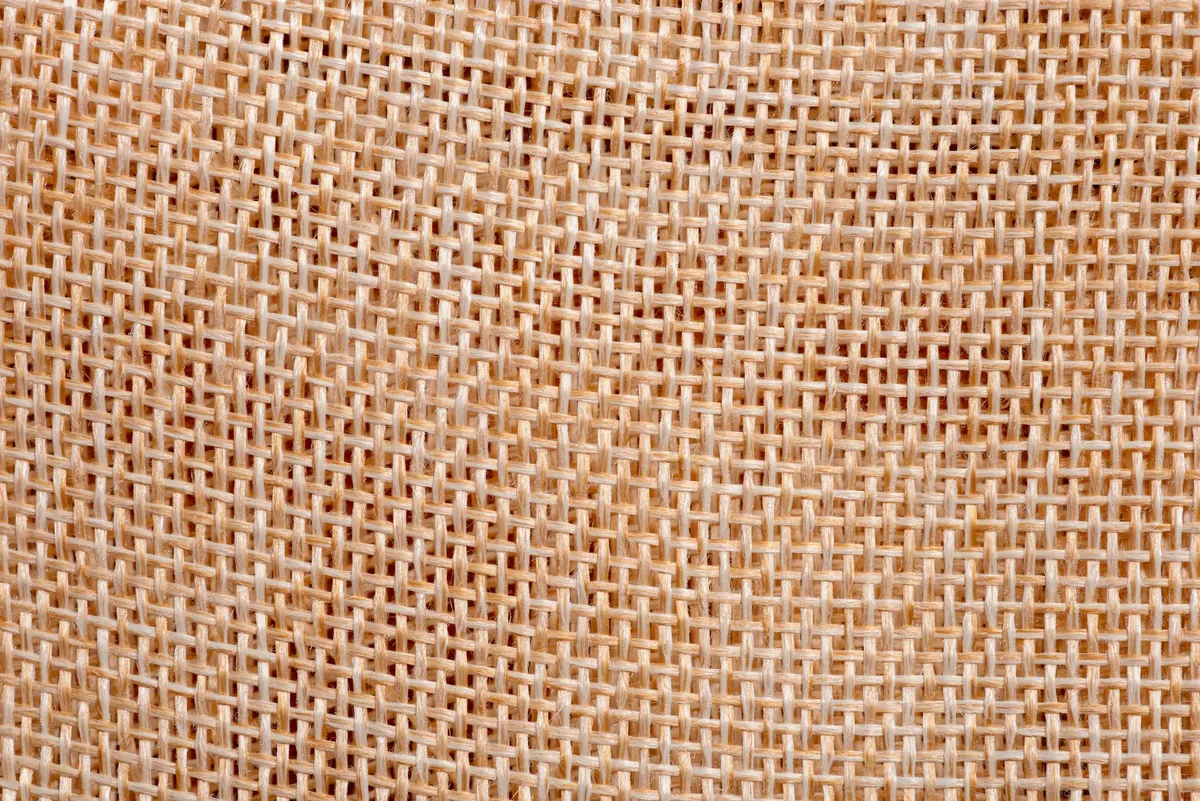
Where jute is flat, rattan is open. A cane armchair, a woven pendant shade, a headboard, a drinks trolley — the gaps in the weave throw soft shadows across a wall and make a plain room feel furnished. Rattan adds volume without weight.
In a small room, choose one or two pieces and let them be the statement. A single generous chair reads better than four small woven items competing for attention. Keep frames away from prolonged damp — a covered porch is fine, an exposed seafront terrace is not — and dust the weave with a soft brush rather than a wet cloth, which can lift the finish. If an old chair wobbles, it is often a loose wrap at a joint rather than a structural fault, and worth having looked at before you replace it.
Linen: Softness That Breathes
Linen is the counterweight to all that structure. Loose covers on a sofa, unlined curtains that filter rather than block, cushion covers, a runner on a long table. It creases, and that is part of the point — the slight rumple keeps a room from looking too composed.
Weight matters more than colour. Heavier linen holds a shape on a sofa; lighter linen hangs well at a window. For bedrooms, washed linen bedding is cool in summer and warm enough in a draughty house. Wash it cool, line dry it, and skip the tumble dryer where you can. The fibre softens with every wash and lasts longer for the care.
Keeping the palette quiet
Oatmeal, chalk, clay, faded indigo, driftwood grey. Pick two or three and repeat them across all four materials so no single texture shouts. If the room needs a jolt, add it in one place only — a deep navy cushion, a black metal lamp — and leave the rest alone.
Driftwood: Character With Restraint
Driftwood is punctuation, not paragraph. One good piece — a shelf above a window, a mirror frame, a row of pegs in a hallway, a headboard made from a single bleached plank — does more than an entire wall of it.
Before anything comes indoors, brush it thoroughly and let it dry somewhere airy for a few days; sand and salt work their way into cracks. If the piece will be handled or rest against fabric, seal it with a clear matte finish. And if you would rather not forage, reclaimed timber and sun-bleached pine give the same silvery effect, with the advantage that you know it has been treated.
A room full of natural materials should look as though it has been collected slowly, not delivered all at once.
Putting It Together
A simple order of work, whether you are starting fresh or editing a room that has lost its way:
- Floor first. Choose a jute or sisal rug sized so the front legs of your seating sit on it.
- Add one structural piece. A cane chair, a woven pendant, a rattan side table. One.
- Soften it with linen. Curtains, a loose cover, two cushion covers, all in the same family of tones.
- Introduce wood last. One piece of driftwood or aged timber as a closing note, not as a theme.
- Live with it for a week. Add nothing. What the room lacks usually becomes obvious; what it does not lack often gets bought anyway.
If the result feels busy, the fix is almost always subtraction. Take one texture out and watch how the others breathe.
Looking After the Mix
Natural materials need a little attention and repay it for years. Shake rugs out properly and vacuum them gently each week, turning them twice a year so the wear is even. Brush woven furniture and tighten loose wraps as you notice them. Wash linen on a cool cycle rather than replacing it. Keep everything out of standing water and away from direct heat.
Then do the most coastal thing of all: open the windows, let the salt air in, and accept that a house by the sea is meant to look lived in. A little fading, a little softening, a cushion that never quite sits straight — that is the texture doing its job.
Photo: Júlio Riccó / Pexels