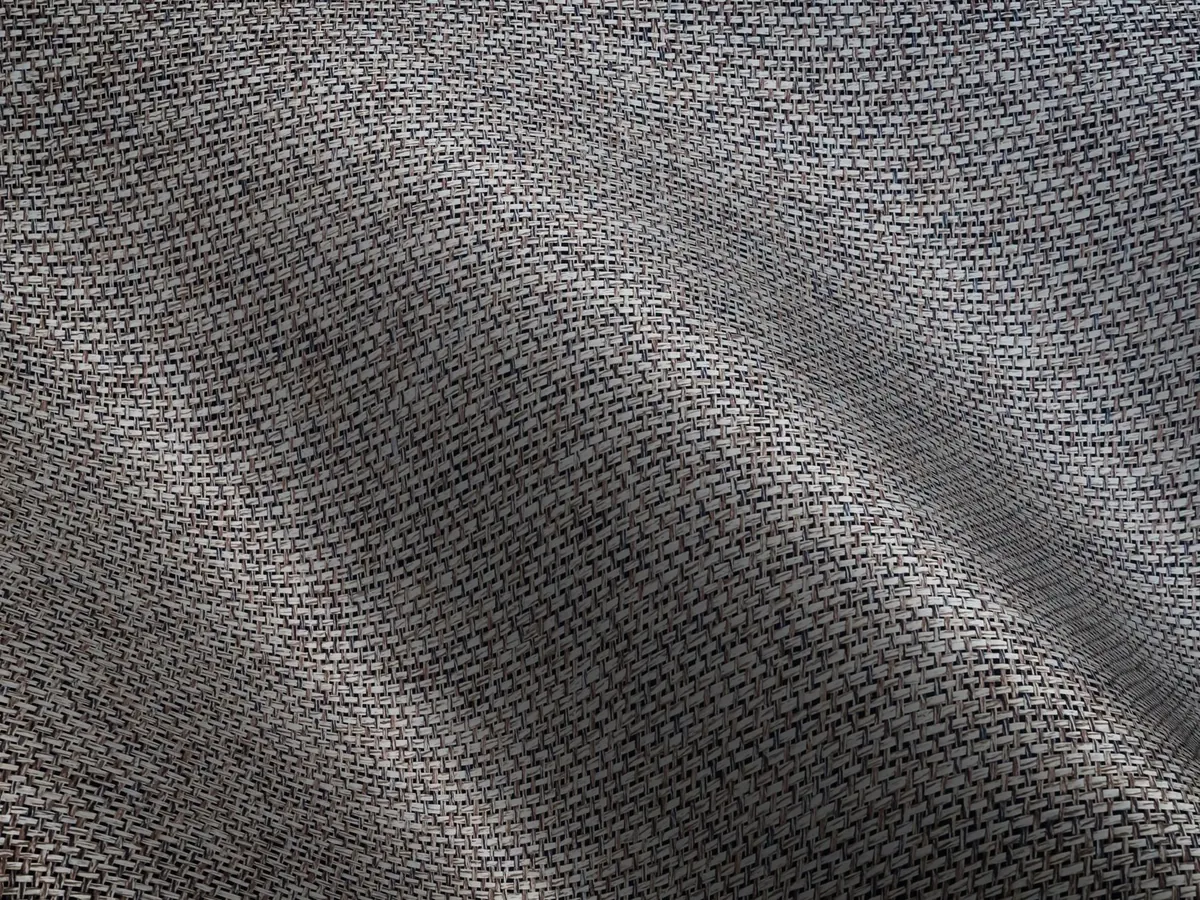
A sofa by the sea is a lovely thing until late August, when the covers smell faintly of damp dog, the seams are full of sand and the salt in the air has settled quietly into every fibre. Slipcovers are the practical answer: whip them off, wash them, put them back. The fabric you choose decides how well that routine holds up over a few coastal winters.
Linen and cotton are the two obvious candidates. They look similar on a swatch and behave quite differently on a sofa.
How coastal air treats upholstery fabric
Sea air is not simply fresh. It is damp, salty and bright, and all three affect textiles.
- Salt is hygroscopic. Salt crystals left in a fabric pull moisture from the air, so a cover that never gets a thorough rinse can feel faintly clammy even on a dry day. On dark colours it also dries into pale tidemarks.
- Humidity slows drying. A cover you would peg out and forget about inland can still be damp along the seams the following morning.
- Reflected light fades dye. Water bounces UV about, so a sofa by a window fades faster than the same sofa inland.
None of this is dramatic. It is cumulative, which is why fabric choice and washing routine matter more here than in a city flat.
Linen slipcovers: relaxed, breathable, better with age
Linen comes from flax, and flax fibres are long. That length is why linen yarn can be spun fine and still hold together, and it is why well-made linen softens rather than disintegrates.
Breathability is the headline. Linen moves air and moisture well, so it does not sit hot and sticky against bare legs in a humid July. It also dries comparatively quickly on the line, and flax's natural waxes are generally thought to make it more resistant to mildew and odour than cotton — a genuine advantage when the air itself is wet.
The catch is creasing. Linen rumples, and that is the point of it. If you want crisp and tailored, linen will fight you every day. If you want the soft, slightly undone look that suits whitewashed rooms and open windows, nothing else comes close.
Look for mid-to-heavy weight linen, roughly 170gsm and up, for seat cushions. Buy pre-washed or stonewashed covers so most of the shrinkage has already happened.
Cotton slipcovers: crisp, hardwearing, easier on the budget
Cotton is a shorter staple fibre, which is why a thin, loosely woven cotton cover can pill and shed where linen would simply soften. Spin it tightly, though, and cotton becomes genuinely tough. Cotton canvas, twill and duck are the workhorses of coastal interiors: they hold their shape, take a seam well and sit flat on a frame instead of draping over it.
Cotton absorbs moisture readily but holds on to it, so it feels wetter for longer and dries more slowly than linen. In exchange you get structure, fewer creases and a fabric that irons obediently. It is the better choice for a sofa bed, a family room with dogs, or anywhere the covers will be washed fortnightly. A 100% cotton canvas in the 250–300gsm range will cope with years of sand and sunscreen.
Choose pre-shrunk cotton where you can. Otherwise expect a few per cent shrinkage on the first wash, usually in the length.
Durability, fading and mildew, compared
- Abrasion: heavyweight cotton canvas wins outright. A mid-weight linen will wear through at the arm tops sooner.
- Appearance over time: linen wins. It softens and keeps its texture; cotton can look thin and tired.
- Pilling: cotton pills, linen does not. Short fibres work loose and ball up.
- Drying speed: linen dries faster, which matters more here than anywhere.
- Mildew risk: linen has the edge, but neither fibre is mildew-proof. Any cover folded away damp will spot, whichever you choose.
- Colour: both fade in strong sun. Mid-tones and naturals hide it best; rotate cushions so the fade is even.
A note on hardware
Salt air corrodes metal zips and cheap poppers long before the fabric fails. Ask for nylon zips, or choose covers with covered buttons and ties. Store spare covers in a cotton bag rather than a plastic one, so they can breathe.
Washing and drying: what each fabric asks of you
- Shake covers outdoors and brush sand out of the seams before they go anywhere near the machine.
- Wash at 30°C on a gentle cycle with a mild detergent. Skip fabric softener, especially on linen, which coats the fibre and reduces its absorbency.
- Use a short, slow spin. Wringing and high spins are what distort covers and stress seams.
- Line dry inside out, in shade or under cover. A sea breeze is fine; strong midday sun is what fades dye.
- Bring them in before the evening damp settles. If they still feel cold and clammy, ten minutes on a low tumble finishes the job.
- Refit slightly damp. Linen in particular settles smoothly onto a sofa with no ironing at all — just tug the seams straight and smooth the seat.
If you have chosen a dark linen, rinse thoroughly rather than lightly. A long, cool rinse lifts the salt out instead of leaving it to dry into white lines.
So which should you buy?
Most coastal homes end up with both, and that is a sensible way to do it. Put linen on the sofa you actually sit on, where breathability and that lived-in texture earn their keep. Put heavyweight cotton canvas on the sofa bed, the bench by the door and anything the dog claims as his own.
If you would rather not choose, a linen-cotton blend is a genuinely good compromise: the drape and breathability of linen, the body and toughness of cotton, and fewer creases than pure linen. Whichever route you take, buy pre-washed, buy the heaviest weight your budget allows, and keep a spare set of covers in the cupboard. On the coast, the ability to strip a sofa and wash it on a Tuesday afternoon is worth more than any single fibre's reputation.
Photo: 3D Render / Pexels